
As children, most of us remember the highs and lows of our twice-annual trips to the dentist: the x-rays, the friendly hygienist asking how often we ate candy and if we remembered to floss every day, trinket toys as a reward for no cavities, and of course, picking out a flavor for the foamy fluoride treatment at the end. However, for many adults, the frequency of those memorable appointments diminishes with age. Jobs, family, friends, and the daily concerns and stresses of life take precedence, and often, dental health suffers. In fact, a whopping 34% of the American adult population didn’t see their dentist last year at all! Yes, daily brushing and flossing can make a huge difference, but regular dental care remains vital. One of the key reasons? Fluoride treatments.
Read More ...Read More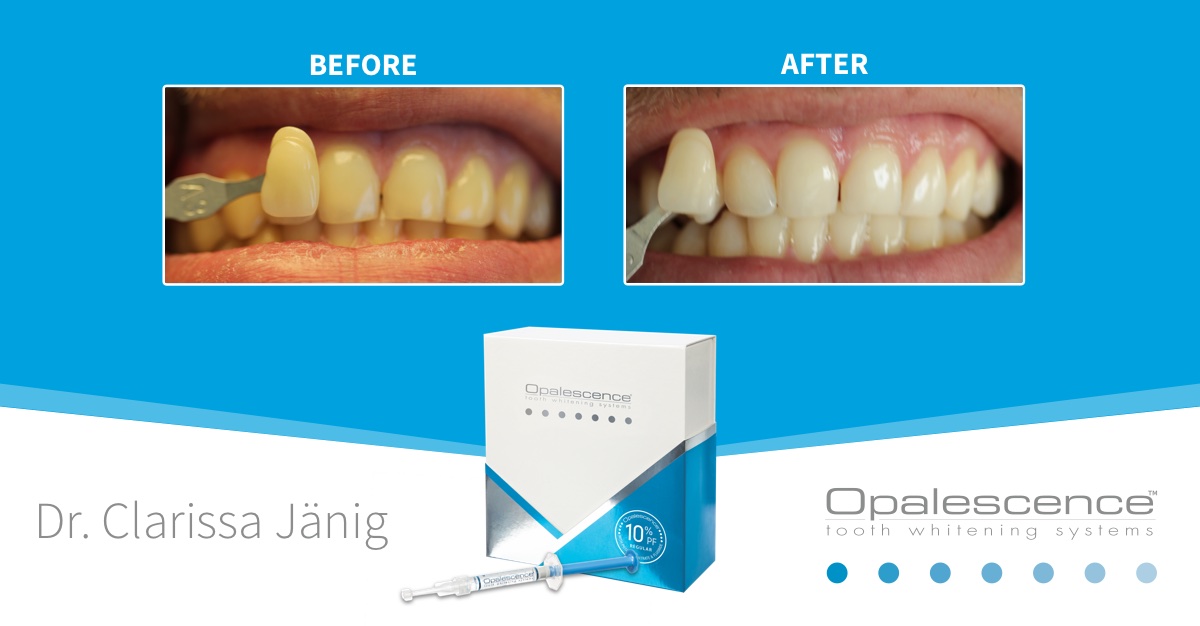
- A case study by Dr. Clarissa Jänig The desire for whiter teeth and attaining the associated ideal of beauty are probably as old as mankind itself. However, it is interesting to note that many patients are still hesitant and critical when it comes to tooth whitening. Questions about the possible risks for enamel and general oral health keep coming up. There are also concerns about irreversible sensitivities and related complaints. In these cases comprehensive counseling is particularly important. We inform patients that, contrary to numerous rumors, the enamel is neither removed nor damaged, because when professional whitening products are used, molecules are exchanged during the whitening process. During this process, oxygen radicals decompose the color pigments in the tooth and start the whitening process. In our practice, it is important for us to exclusively use products that do not cause enamel damage, as their mode of action is based on the exchange of molecules. Furthermore, we are careful to choose products based on potassium nitrate, which reduce dehydration of the teeth and thus counteract the formation of sensitivities during treatment. In our experience, sensitivities can thus be virtually ruled out. Should sensitivities nevertheless occur, they usually disappear again within a few days by themselves. To accelerate this, patients should drink plenty of water, particularly in the morning, to compensate for dehydration. In some cases, additional treatment can be carried out with a desensitizer based on potassium nitrate, such as UltraEZ TM, if necessary.
Read More ...Read More
A study has shown that we generate approximately 50% of our income with treatments using light polymerization (direct or indirect restorations). That‘s why this topic deserves an appropriate degree of attention: Which lights do I use? How are they handled?
Read More ...Read More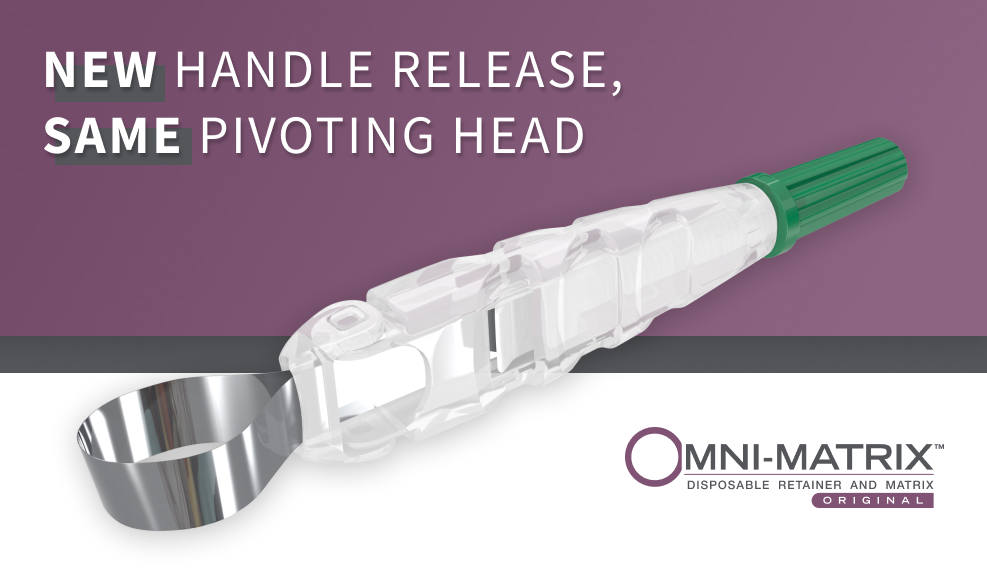
Class II restorations are the bread and butter for many general practitioners, and Class II posterior restorations can make up roughly half of the cases performed by general dentists.
Read More ...Read More
Sign Up to Receive Blog Updates
Sign Up to Receive Blog Updates

PO Box 196
Thirroul, NSW 2515 Australia


© Ultradent Products, Inc. All rights reserved.

 USA
USA Brazil
 China
China Croatia
 Europe
 France
 Germany
 Italy
Italy Japan
Japan Latin America
 Netherlands
 Spain
Spain Turkey