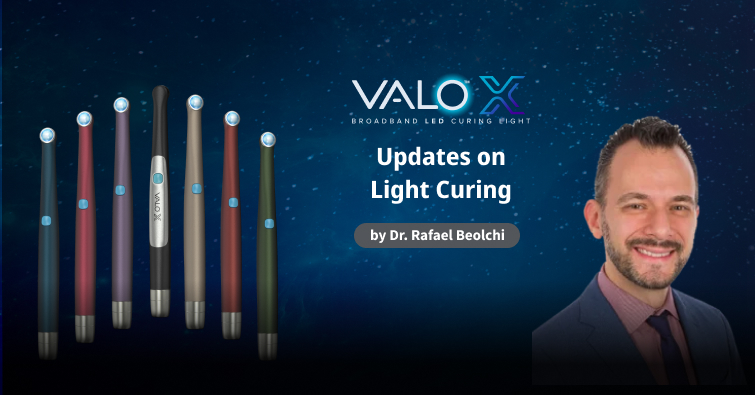
The profound impact of light curing on dentistry is indisputable. The advent of light-cured composite resins has revolutionized dental practice, allowing dental professionals to perform minimally invasive procedures with precision and efficiency.
Read More ...Read More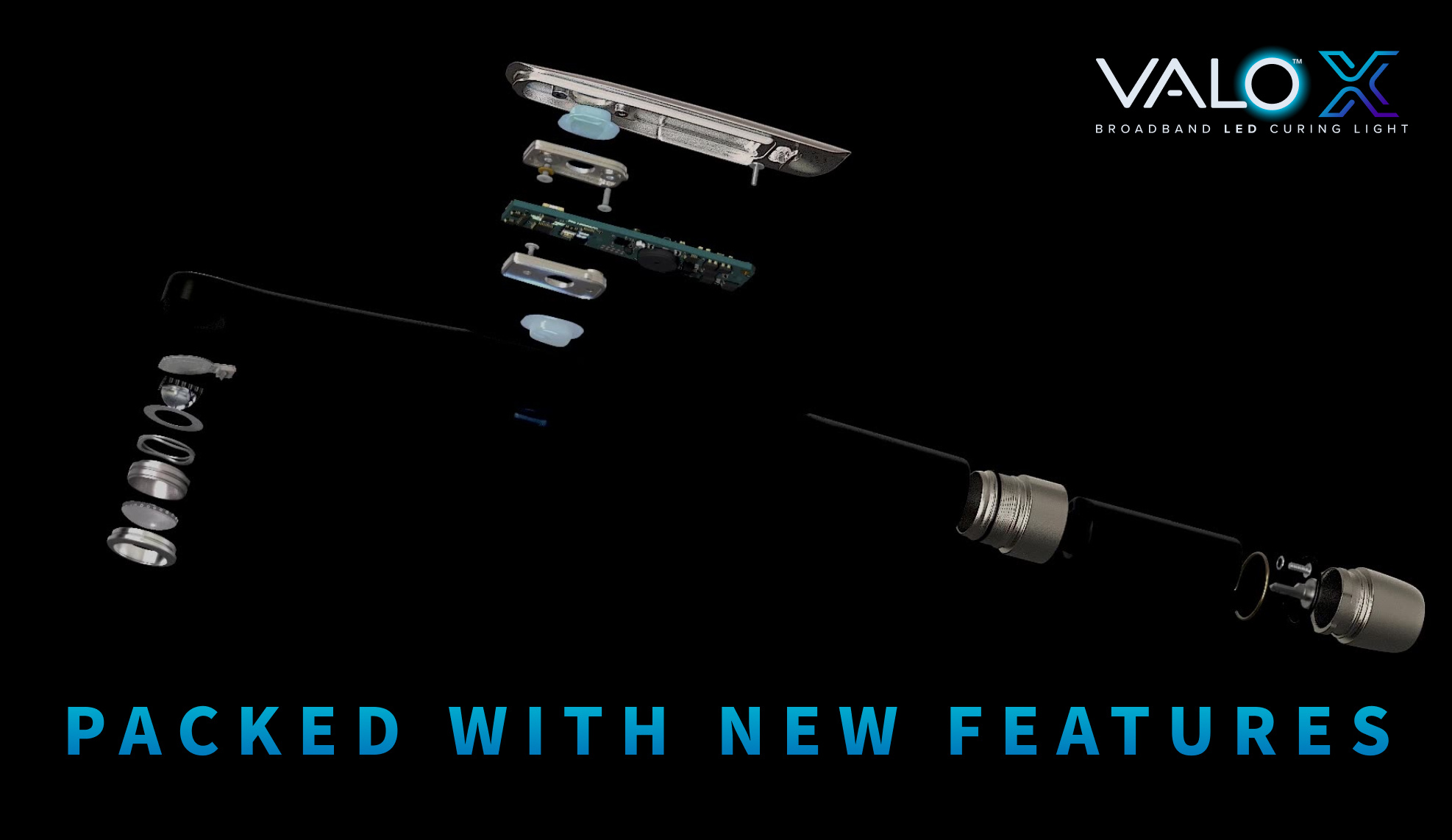
If you have not had the chance to look at the Valo X Curing Light, here it is...
Read More ...Read More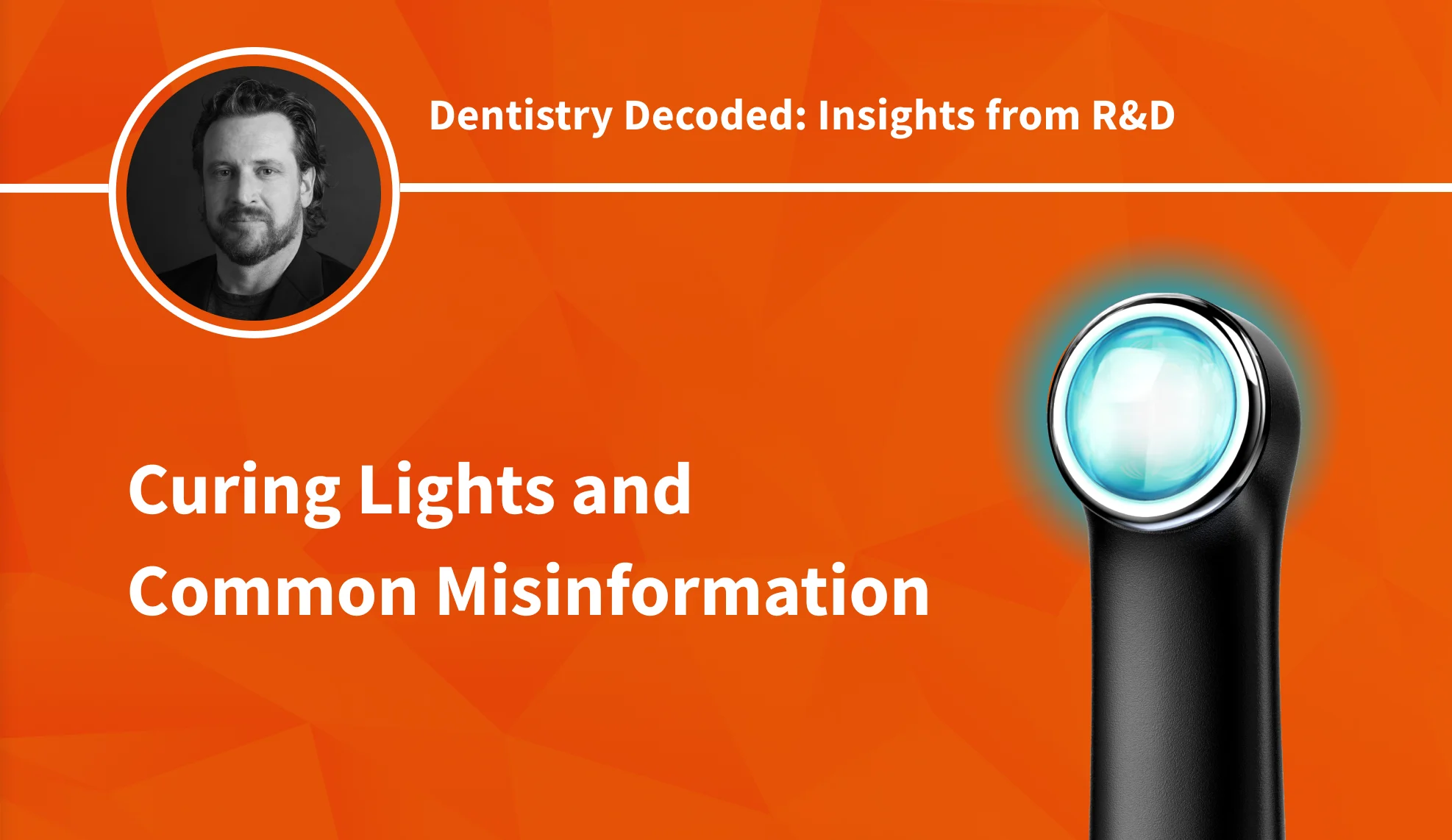
Not all dental curing lights are created equal and it’s crucial to understand the differentiating factors between lights before investing in one for your office. Irradiance vs power, beam size, even the tools used to measure light outputs all play major roles in how a curing light will function. To find true quality and efficiency in a light, a user must be able to wade through the waves of false and misleading claims often made in the world of dental curing light advertising—Ultradent’s Sr. VP of Research & Development, Neil Jessop, delves into these topics and more in this edition of Dentistry Decoded: Insights from R&D.
Read More ...Read More
With so many dental curing lights available on the market today, choosing the proper curing mode from case to case can be a complicated process. Clinicians often reach out to us here at Ultradent with various questions about curing light performance and functions, like:
Read More ...Read More.png)
by Dr. Joshua Austin, originally published in Dental Economics. The operative dentistry faculty at my alma mater, the University of Texas Health Science Center at San Antonio, were huge advocates of rebonding when placing resin composites. That term-"rebonding"-may not even be familiar to many readers. Rebonding is a simple process that involves flowing a very thin layer of unfilled resin onto composite. The literature supports rebonding; however, almost no one does it clinically on a regular basis. I am not 100% sure why, either. It's a quick and simple process, and it can really improve the quality of the composite resins we place.
Read More ...Read More
You don’t take your vehicle to the baker for maintenance, much like you wouldn’t ask the mechanic for a fresh loaf of Rye. When I buy steak seasoning, seeing Guy Fieri’s smile on the label reassures that I’m grilling up a trip to flavor town. Ultradent was founded on clinical knowledge—Dr. Dan Fischer created our first products to solve problems he was encountering in his practice. We’ve kept that mentality and utilize our own team of in-house clinicians at every stage of our product development. As a result, we don’t just create products. We create comprehensive solutions.
Read More ...Read More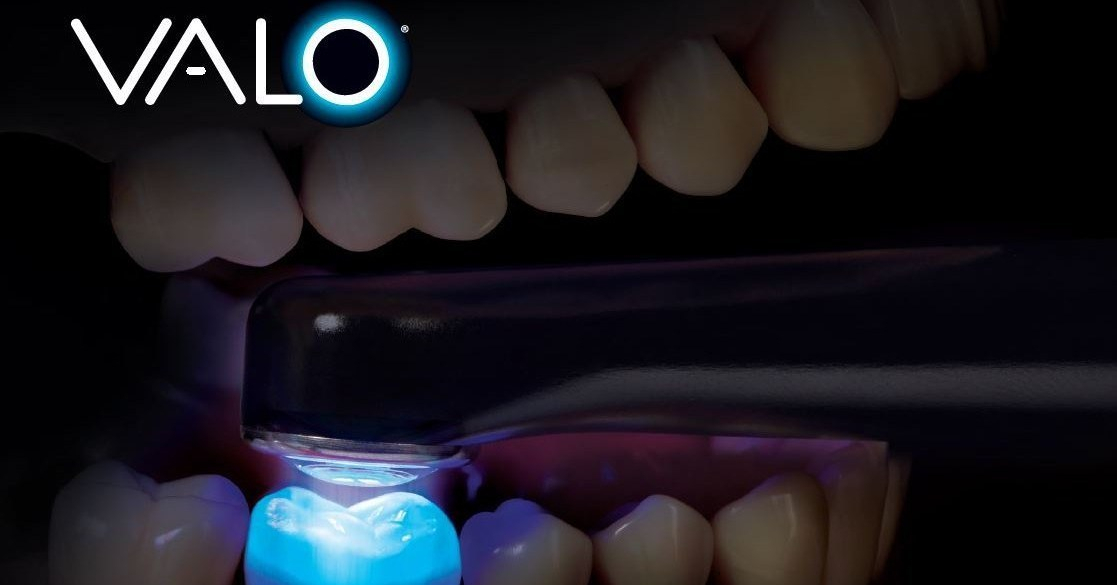
The average mouth opening distance of an adult male patient is 30mm1. This limited range, coupled with the posterior placement of many restorations, makes it nearly impossible to position a traditional curing light with an oversized head or angled light guide. This typically forces the operator to tilt their light to a 45-60 degree angle, making direct irradiation of light on the restoration in posterior teeth nearly impossible.
Read More ...Read More.png)
All dental curing lights can cause ocular damage from the light they emit.1-3 The most damaging wavelength for the retina is blue light, near 440 nm, which is within the spectral emission from dental curing lights.4,5 Blue light is transmitted through the ocular media and absorbed by the retina. Dental professionals must be aware of and use proper protection from this blue light hazard6-8 because they have a duty to protect both the patient and employees from harm.
Read More ...Read More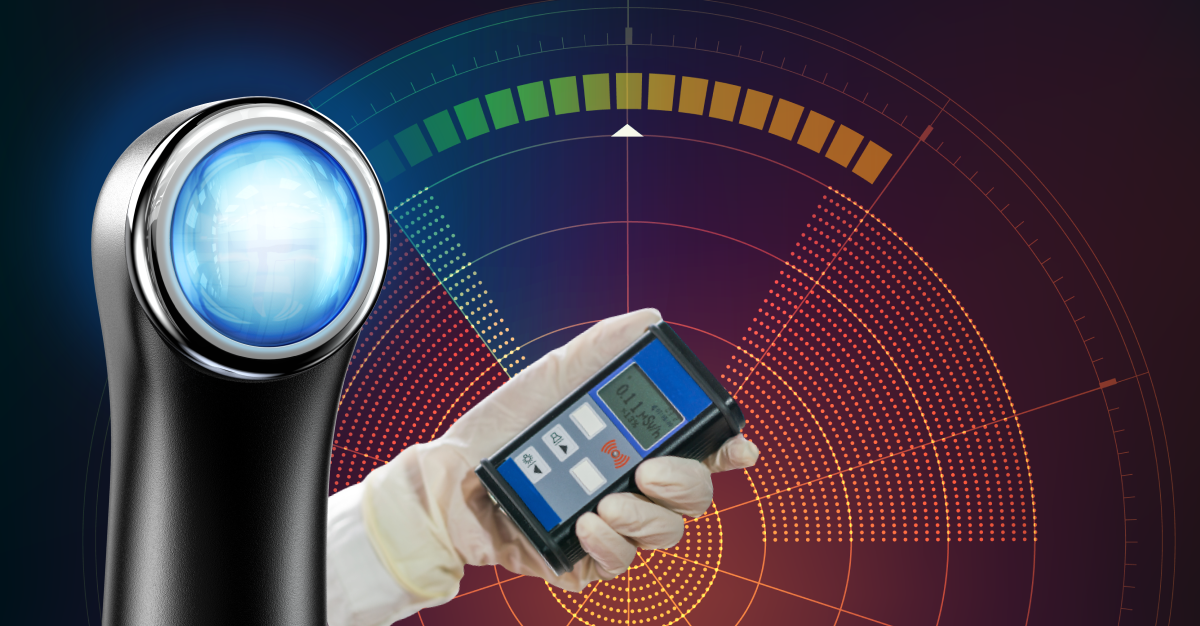
Simply put, dental radiometers are a tool clinicians use to measure the light output of curing lights. Although less accurate than sophisticated lab equipment that can pinpoint light output precisely, the portability and affordability of dental radiometers often make them a handy tool for dentists. However, because of their inaccuracy, dentists should use caution when using a radiometer to compare curing lights’ performance, as the radiometer can mislead the doctor into purchasing or using an inferior light—possibly leading to inadequate curing and failed future restorations.
Read More ...Read More
A study has shown that we generate approximately 50% of our income with treatments using light polymerization (direct or indirect restorations). That‘s why this topic deserves an appropriate degree of attention: Which lights do I use? How are they handled?
Read More ...Read More
Sign Up to Receive Blog Updates
Sign Up to Receive Blog Updates

PO Box 196
Thirroul, NSW 2515 Australia


© Ultradent Products, Inc. All rights reserved.

 USA
USA Brazil
 China
China Croatia
 Europe
 France
 Germany
 Italy
Italy Japan
Japan Latin America
 Netherlands
 Spain
Spain Turkey