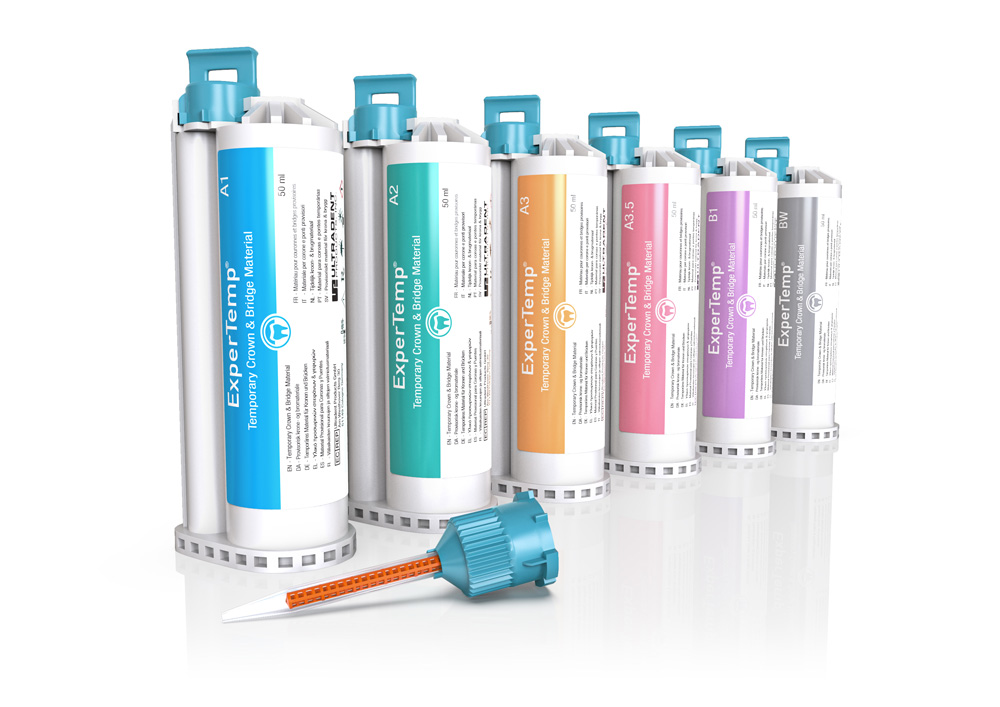
The attitude towards temporaries has come a long way since their introduction to the dental industry many years ago. In fact, some dentists say that they used to purposely place less-than-esthetic temporaries on their patients to make sure that the patient would come back for the final restoration! Thank goodness times have changed. With a strong emphasis on esthetic, beautiful smiles, today’s patients want their temporaries to resemble the final result as closely as possible—fitting in seamlessly with the rest of the teeth in both color and luster, until the final restoration is placed. But do the esthetic temporaries that patients now demand create more work for the dentist? Not necessarily..
Read More ...Read More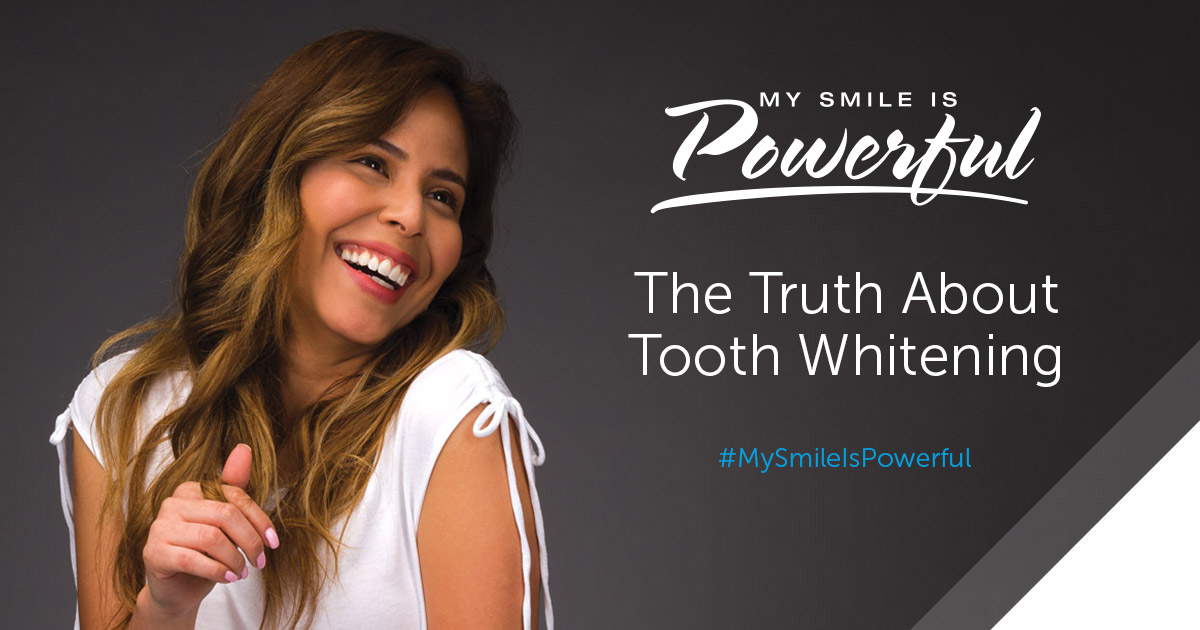
Everyone’s smile is powerful. A smile can break down barriers, cut through tension, make a stranger feel welcome, and lift a friend’s day. The problem is that many people are too self-conscious to show their unique smile to the world, and Opalescence whitening is on a mission to change that. Whether someone has coffee- or wine-stained teeth, teeth that are a little crooked, or a smile flanked by dimples large or small, everyone has a reason to celebrate their uniqueness. Something that often helps those who are self-conscious about their smile is tooth whitening. However, concerns and questions abound about this hot topic: Will whitening damage my teeth? Exactly how white can I get my teeth? How long will the whitening last? Is the chemical used in tooth whitening toxic? We’re here to help, and in doing so, help your patients embrace their most confident, powerful smile. Let’s get right to it.
Read More ...Read More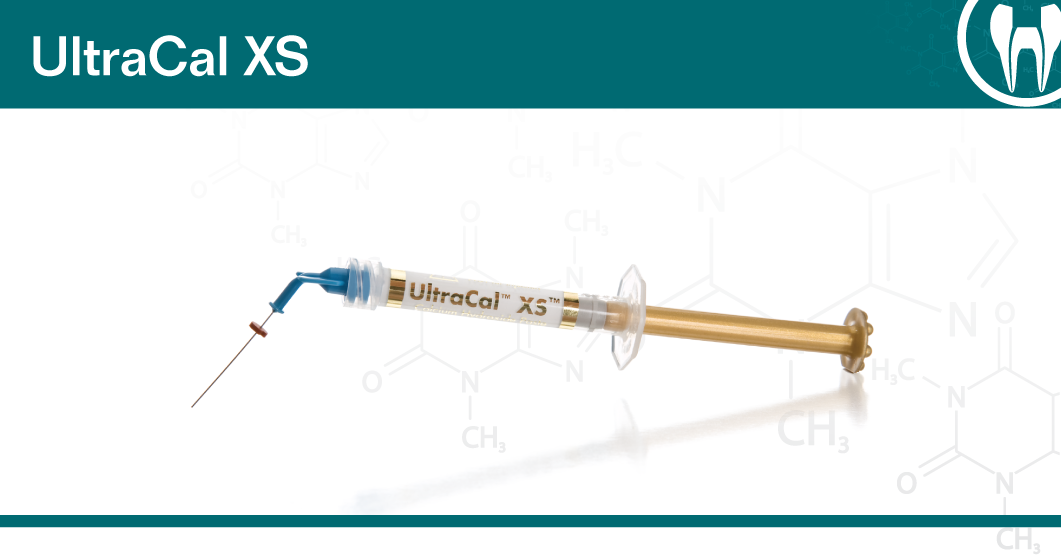
Did you know that calcium hydroxide is a popular temporary medication used to disinfect root canals, and has been shown to be effective in a wide variety of situations?
Read More ...Read More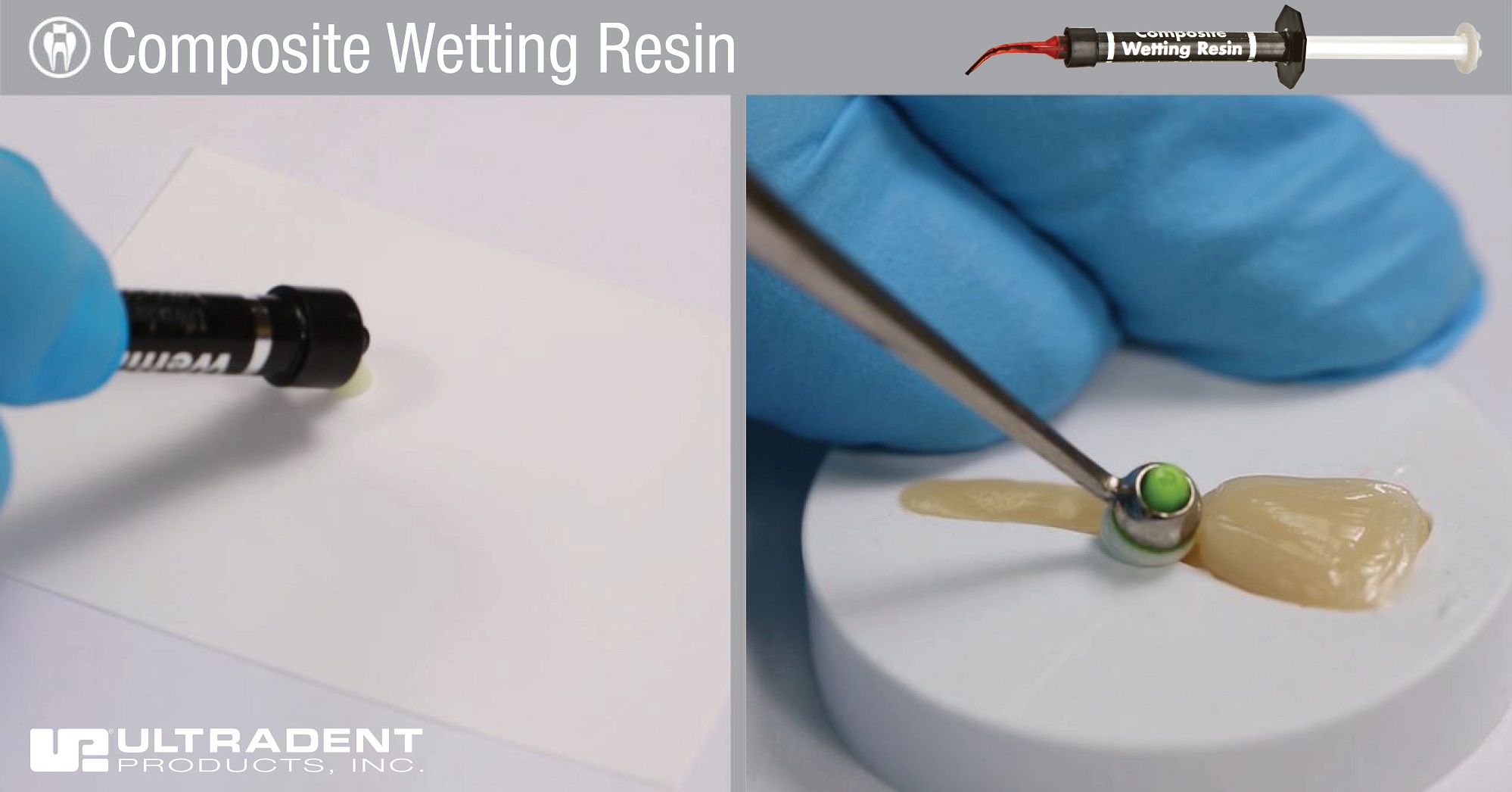
Have you ever experienced the composite resin drying out or becoming difficult to handle during a restoration? This can be quite common, depending on the layering technique and / or the restorative material used.
Read More ...Read More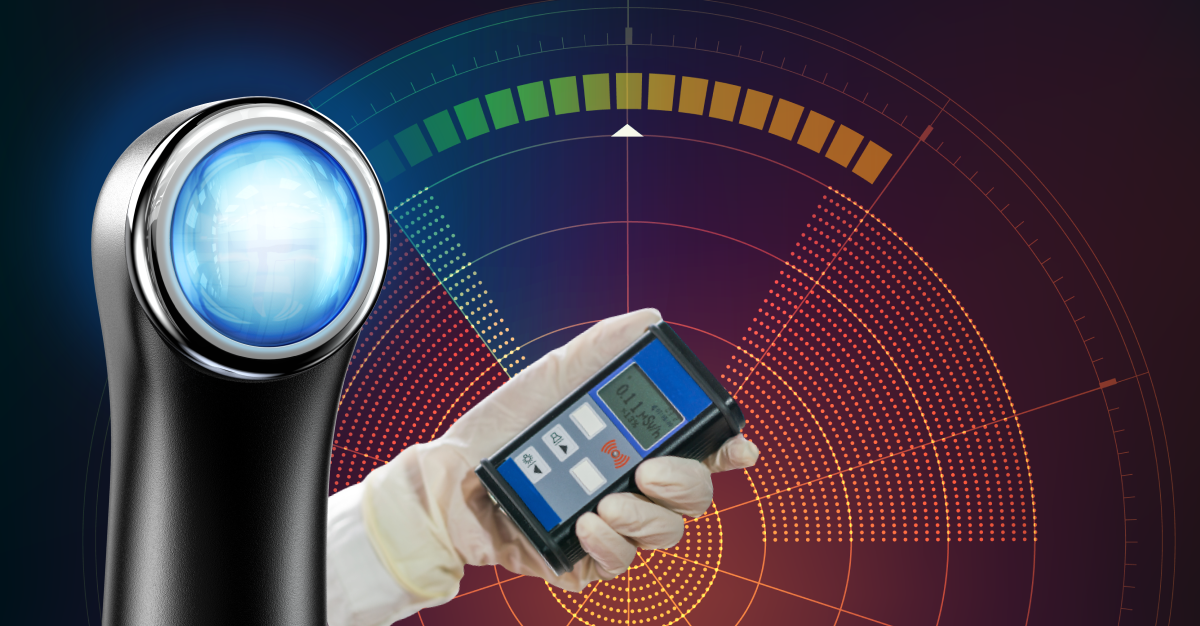
Simply put, dental radiometers are a tool clinicians use to measure the light output of curing lights. Although less accurate than sophisticated lab equipment that can pinpoint light output precisely, the portability and affordability of dental radiometers often make them a handy tool for dentists. However, because of their inaccuracy, dentists should use caution when using a radiometer to compare curing lights’ performance, as the radiometer can mislead the doctor into purchasing or using an inferior light—possibly leading to inadequate curing and failed future restorations.
Read More ...Read More
The digital world is putting new pressures on the cosmetic dental industry. The desire for a dazzling smile is no longer just for face-to-face interactions—for many, their virtual grin is far more vital. Photogenic smiles get blasted across the globe on the seemingly endless supply of social media platforms. A picture becomes a post and that post gets viewed by our closest friends, family… and the internet at large. The ensuing digital judgement crosses back through the virtual matrix and skews our real-world perceptions.
Read More ...Read More
As children, most of us remember the highs and lows of our twice-annual trips to the dentist: the x-rays, the friendly hygienist asking how often we ate candy and if we remembered to floss every day, trinket toys as a reward for no cavities, and of course, picking out a flavor for the foamy fluoride treatment at the end. However, for many adults, the frequency of those memorable appointments diminishes with age. Jobs, family, friends, and the daily concerns and stresses of life take precedence, and often, dental health suffers. In fact, a whopping 34% of the American adult population didn’t see their dentist last year at all! Yes, daily brushing and flossing can make a huge difference, but regular dental care remains vital. One of the key reasons? Fluoride treatments.
Read More ...Read More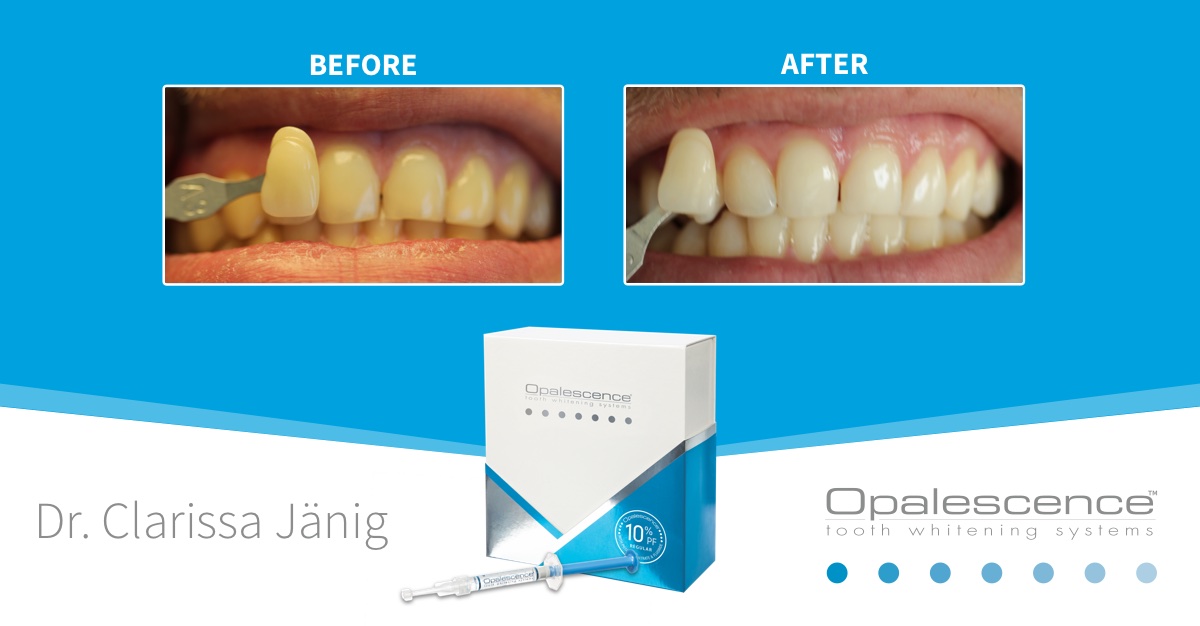
- A case study by Dr. Clarissa Jänig The desire for whiter teeth and attaining the associated ideal of beauty are probably as old as mankind itself. However, it is interesting to note that many patients are still hesitant and critical when it comes to tooth whitening. Questions about the possible risks for enamel and general oral health keep coming up. There are also concerns about irreversible sensitivities and related complaints. In these cases comprehensive counseling is particularly important. We inform patients that, contrary to numerous rumors, the enamel is neither removed nor damaged, because when professional whitening products are used, molecules are exchanged during the whitening process. During this process, oxygen radicals decompose the color pigments in the tooth and start the whitening process. In our practice, it is important for us to exclusively use products that do not cause enamel damage, as their mode of action is based on the exchange of molecules. Furthermore, we are careful to choose products based on potassium nitrate, which reduce dehydration of the teeth and thus counteract the formation of sensitivities during treatment. In our experience, sensitivities can thus be virtually ruled out. Should sensitivities nevertheless occur, they usually disappear again within a few days by themselves. To accelerate this, patients should drink plenty of water, particularly in the morning, to compensate for dehydration. In some cases, additional treatment can be carried out with a desensitizer based on potassium nitrate, such as UltraEZ TM, if necessary.
Read More ...Read More
A study has shown that we generate approximately 50% of our income with treatments using light polymerization (direct or indirect restorations). That‘s why this topic deserves an appropriate degree of attention: Which lights do I use? How are they handled?
Read More ...Read More
Sign Up to Receive Blog Updates
Sign Up to Receive Blog Updates

PO Box 196
Thirroul, NSW 2515 Australia


© Ultradent Products, Inc. All rights reserved.

 USA
USA Brazil
 China
China Croatia
 Europe
 France
 Germany
 Italy
Italy Japan
Japan Latin America
 Netherlands
 Spain
Spain Turkey