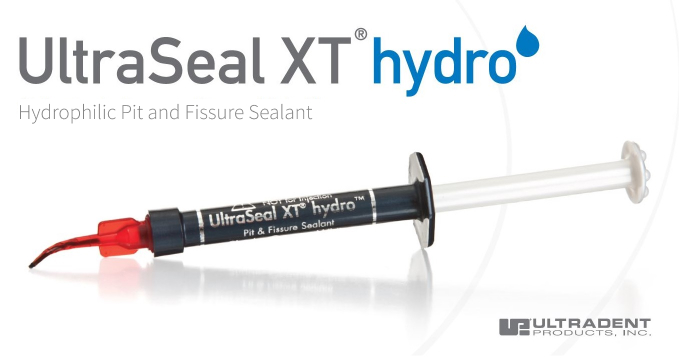
UltraSeal XT hydroTM dental sealant is a light-cured, radiopaque, fluoride-releasing composite sealant. It is stronger and more wear resistant than other dental sealants because it is a 53%-filled resin and has less polymerization shrinkage than competitive products.
Read More ...Read More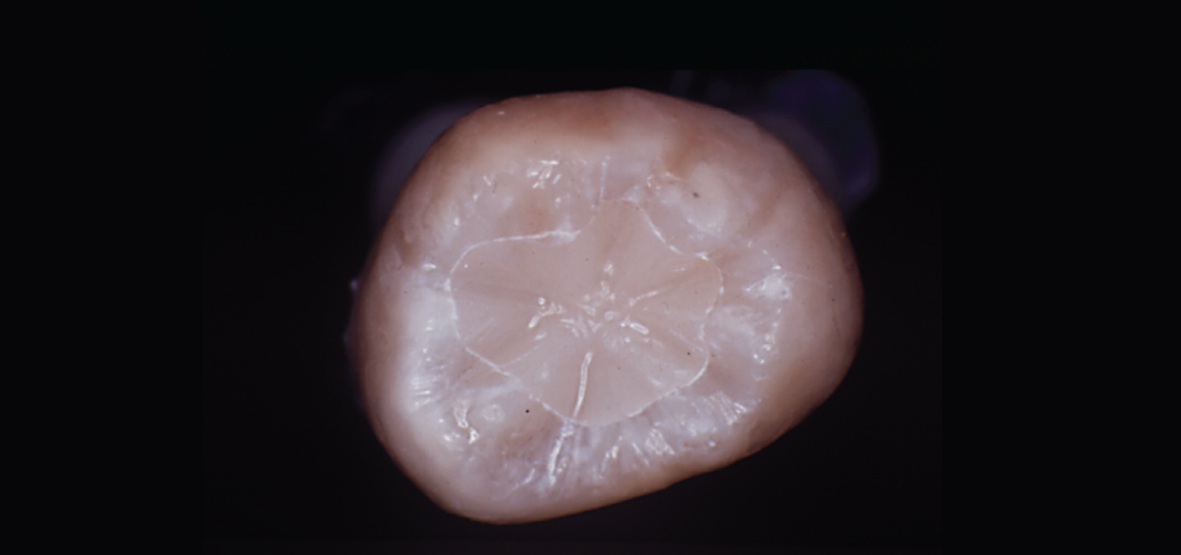
Clinicians are familiar with the development of a white line at the interface between composite and tooth structure. Often, the restoration looks great when initially placed, and then a white line appears after finishing.
Read More ...Read More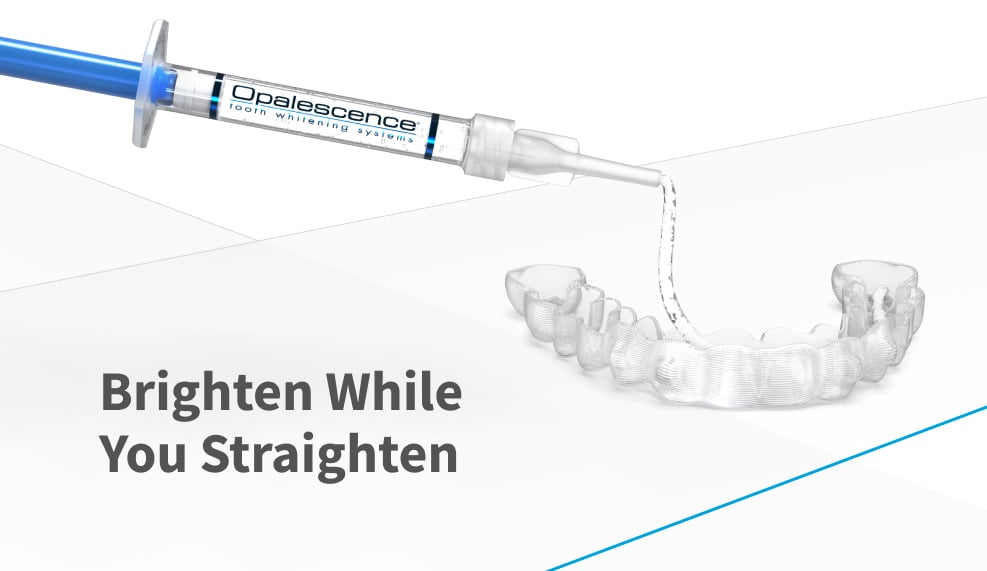
Having a mouth full of misaligned, yellowed teeth can be an intense, even traumatizing experience. Folks may spend years ashamed of their smiles before they get to experience the metamorphic powers of a smile transformation. New Opalescence™ PF whitening for aligners is made for people who want to not only straighten their teeth at home but whiten their teeth at home at the same time.
Read More ...Read More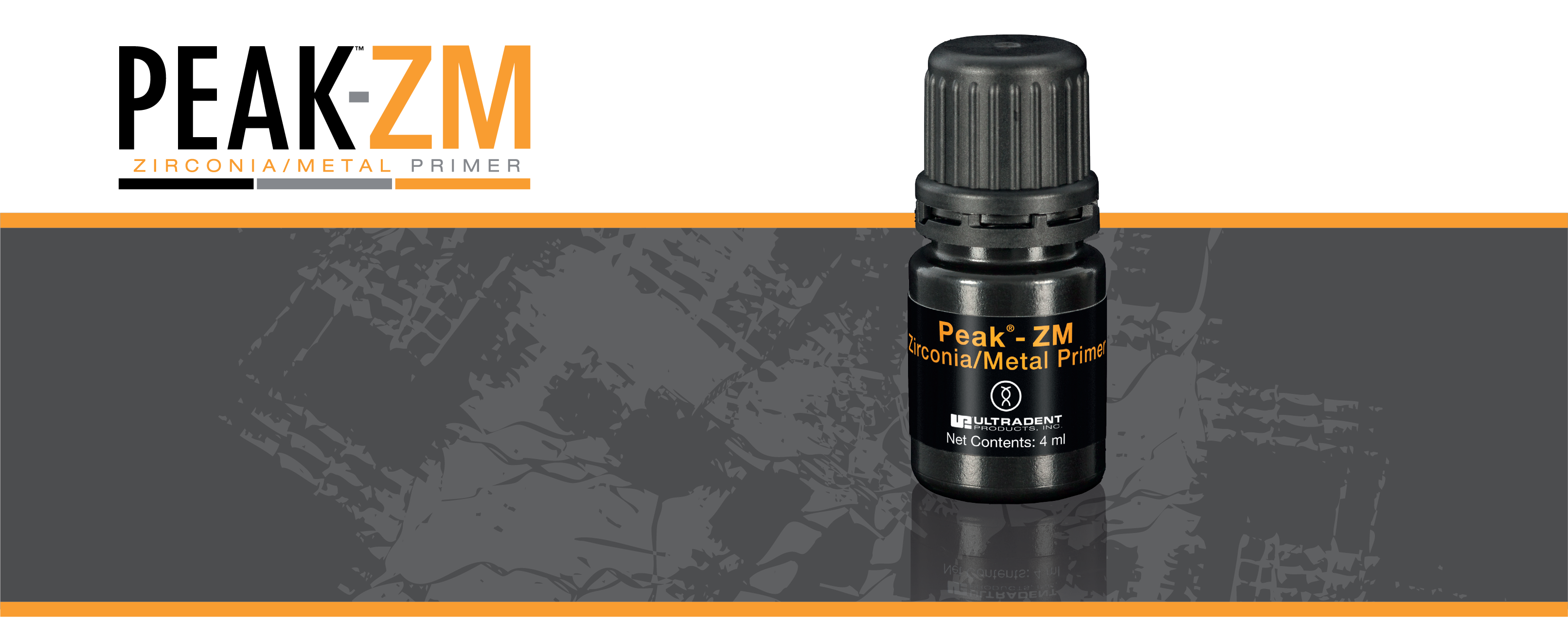
Strong substrates need strong bonds, and a strong bond starts with the primer. Peak-ZM zirconia and metal primer is specifically designed to provide high adhesion between the zirconia or metal surface and the luting material.
Read More ...Read More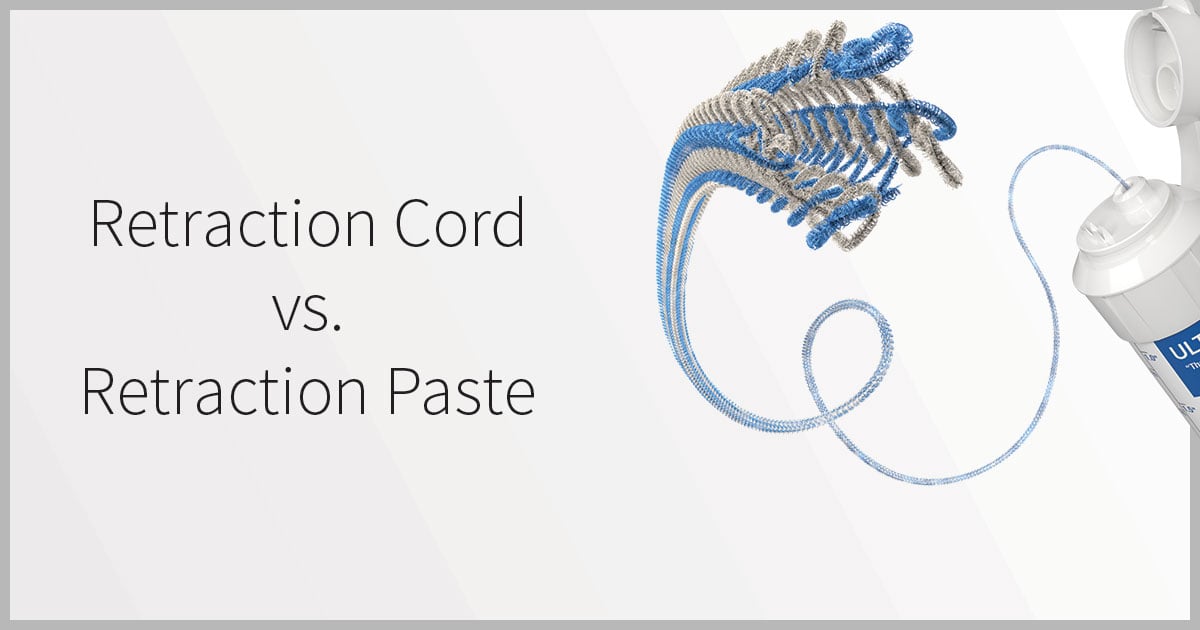
As busy clinicians we're always looking for ways to be more efficient and more effective in our practices. One of the latest categories of dental products brought to the market by numerous manufacturers is gingival retraction paste, which is meant to replace traditional gingival retraction cord for tissue management cases. Ultradent's Ultrapak® retraction cord was tested against popular retraction pastes on the market to surprising results Touted as faster and easier to apply, the concept of a gingival retraction paste seems to check the efficiency box, but is it effective? Ultradent's Vice President of Research and Development, Neil Jessop, devised a means of measuring its effectiveness when compared to UltrapakTM gingival retraction cord and the results were surprising.
Read More ...Read More
In all avenues of life, folks behind the scenes often don't receive the acclaim they deserve. From hospitality, to healthcare, to Hollywood, people operating out of the spotlight can be ignored while the front-and-center stars get showered with praise. Travelers thank pilots, but air traffic controllers go about their duties without garnering the gratitude flight crews receive. Dental assistants are in many ways the air traffic controllers of their practice, directing the complex flow of an office while caring for patients and undertaking tasks others overlook.
Read More ...Read More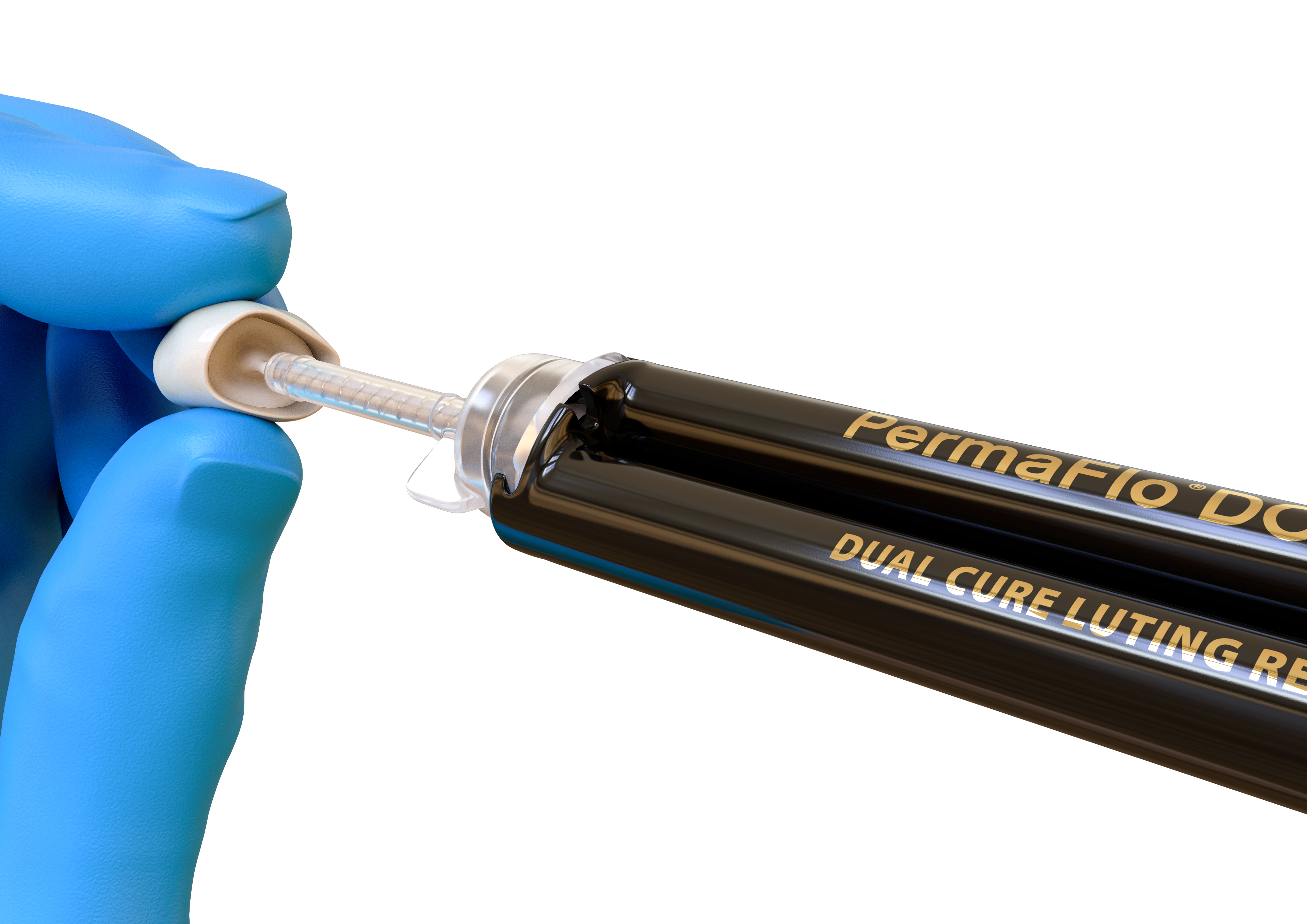
“PermaFlo DC, a composite luting resin, has some unique capabilities. It has been put under the category of “dual-cure” because that’s well known to dentists. However, in reality, an actual dual-cure product would be able to be a stand-alone light cure product. Or, it would be a stand-alone chemical cure product in two separate, disconnected syringes,” Dr. Fischer, Ultradent CEO emeritus. “The challenge with that, for years, was that all ‘dual-cure composites’, if used only in the chemical cure mode, would never polymerize as completely as they should, and would never come out as strong as they could if they had been light activated.” He continues, “What dentists really need a ‘dual-cure,’ where adequate light can’t reach in the restoration to assure quality polymerization, like with an opacious crown or a restoration in the deep interproximal area, sub gingivally.”
Read More ...Read More
Like with many other dental or medical treatments, people have wondered if teeth whitening during pregnancy and breastfeeding is safe.
Read More ...Read More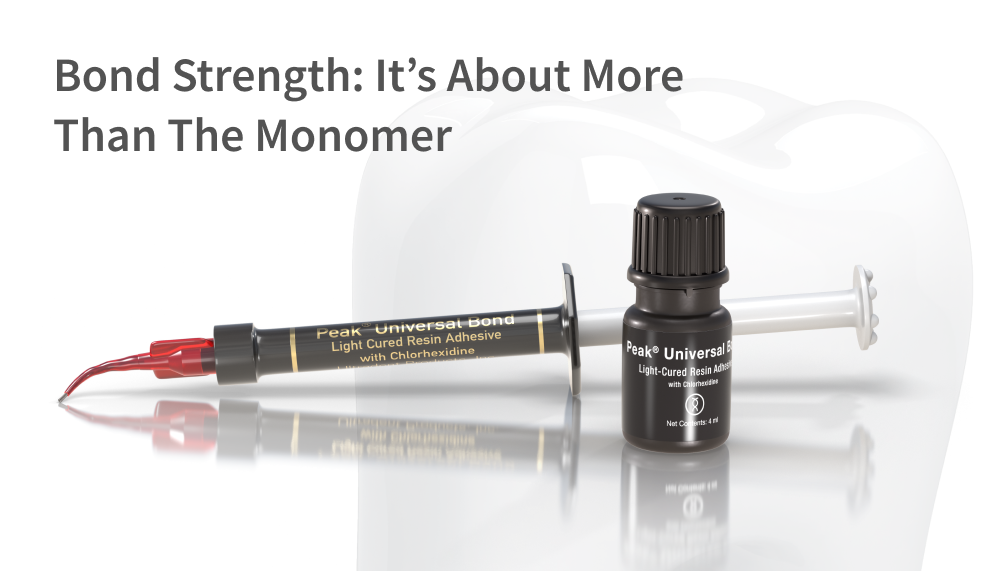
Recent articles suggest that there is a certain monomer responsible for quality bonds, but the truth is that the strength of a bond lies squarely in the balance of the chemistry of the product, rather than just one “magical ingredient.” Neil Jessop, Director of Research and Development for Ultradent Products, Inc. says, “It isn’t one specific monomer that promotes such high-level bond strengths, but the balance of chemistry and a synergy of components working together that affords stability, repeatability, and reliable, long-term bonds.”
Read More ...Read More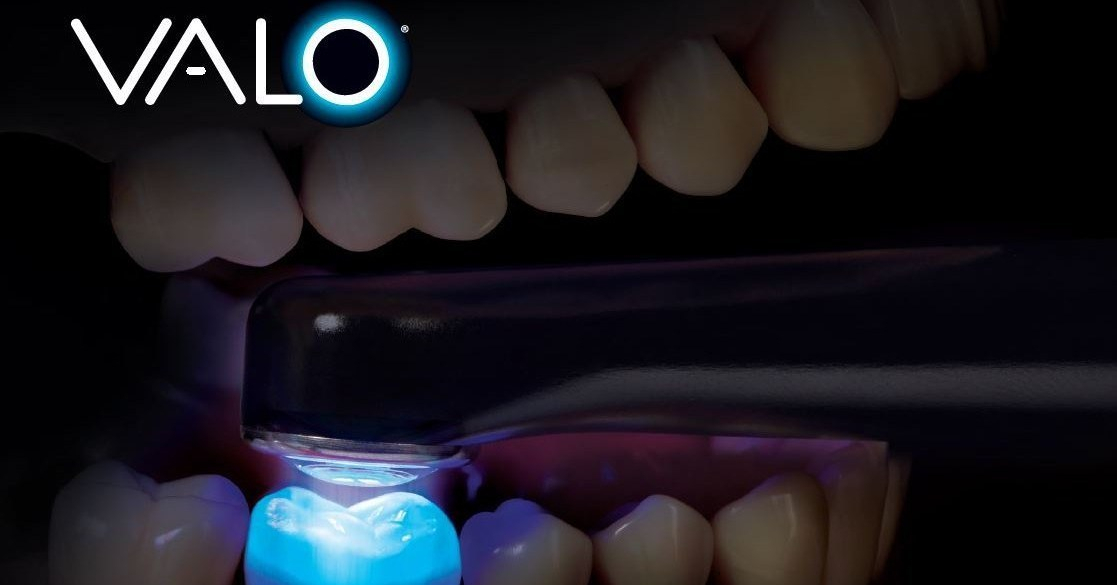
The average mouth opening distance of an adult male patient is 30mm1. This limited range, coupled with the posterior placement of many restorations, makes it nearly impossible to position a traditional curing light with an oversized head or angled light guide. This typically forces the operator to tilt their light to a 45-60 degree angle, making direct irradiation of light on the restoration in posterior teeth nearly impossible.
Read More ...Read More
Sign Up to Receive Blog Updates
Sign Up to Receive Blog Updates

PO Box 196
Thirroul, NSW 2515 Australia


© Ultradent Products, Inc. All rights reserved.

 USA
USA Brazil
 China
China Croatia
 Europe
 France
 Germany
 Italy
Italy Japan
Japan Latin America
 Netherlands
 Spain
Spain Turkey