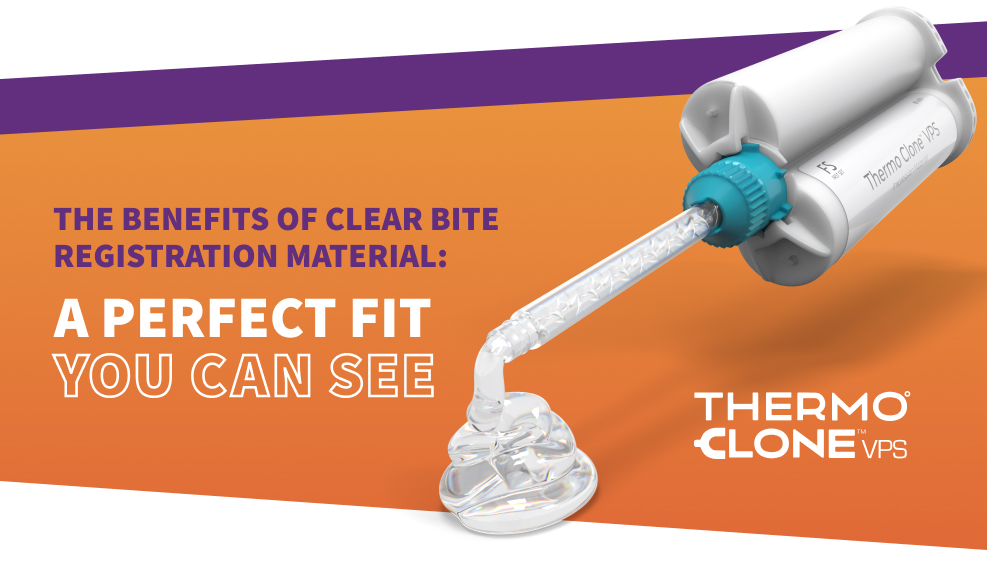
Time is a critical asset in any practice, usually in short supply and high demand. Impression taking can steal large chunks of time, especially when rework is involved. Ronald. D. Perry, DMD, MS, suggests the average clinician takes roughly 384 impressions annually, costing more than USD $38k/year.
Read More ...Read More
Tooth discoloration can be due to many causes. Some medications, dental trauma, root fillings, as well as certain foods and drinks can cause tooth discoloration over time. Some discolorations may be superficial while others are internal. All can be effectively treated by a dentist - professional whitening is the best option to safely lighten discolored teeth.
Read More ...Read More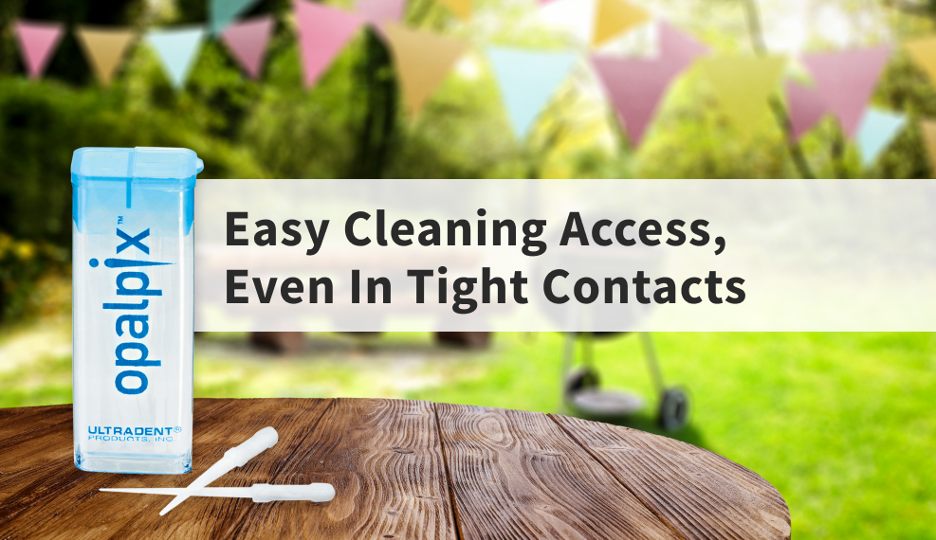
Sharing job perks with our friends and family is generally awesome, regardless of your field. I have a carpenter friend who’s thrilled when another buddy asks him to help remodel a kitchen. Another friend works at a bike shop and lights up when I ask her about fork suspension. But working in the dental industry, it’s hard for me to share pieces of my job with those around me—let’s face it, the party doesn’t exactly light up if I arrive with an ultrasonic scaler and some prophy angles.
Read More ...Read More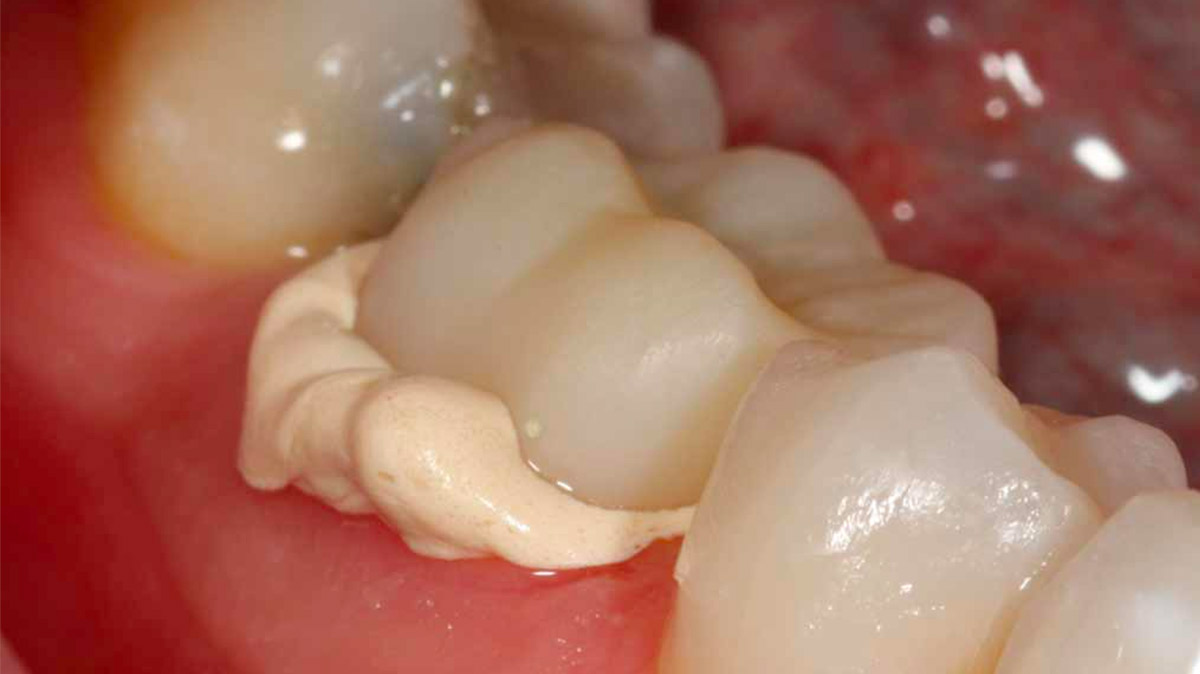
Over the last 20 years, dentistry has changed quite a bit. It used to be that “because it’s a temporary, quality and esthetics didn’t matter.” Now, it’s more like “just because it’s a temporary, doesn’t mean quality and esthetics don’t matter.” Additionally, more clinicians are realizing the negative effect bad temporaries have on their business. If any of the following problems sound a little too familiar to you, it’s time to consider upgrading your temporary material.
Read More ...Read More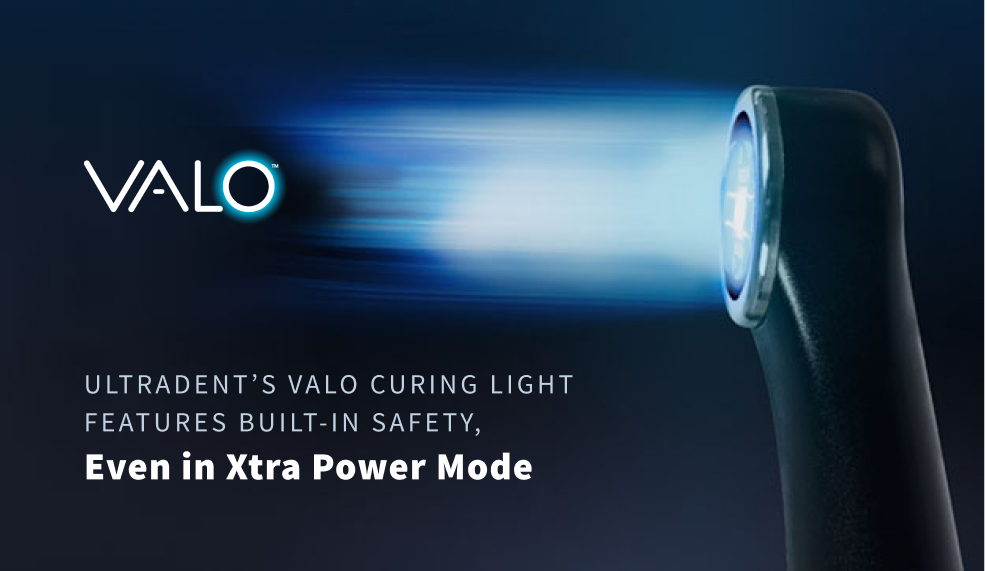
With so many dental curing lights available on the market today, choosing the proper curing mode from case to case can be a complicated process. Clinicians often reach out to us here at Ultradent with various questions about curing light performance and functions, like:
Read More ...Read More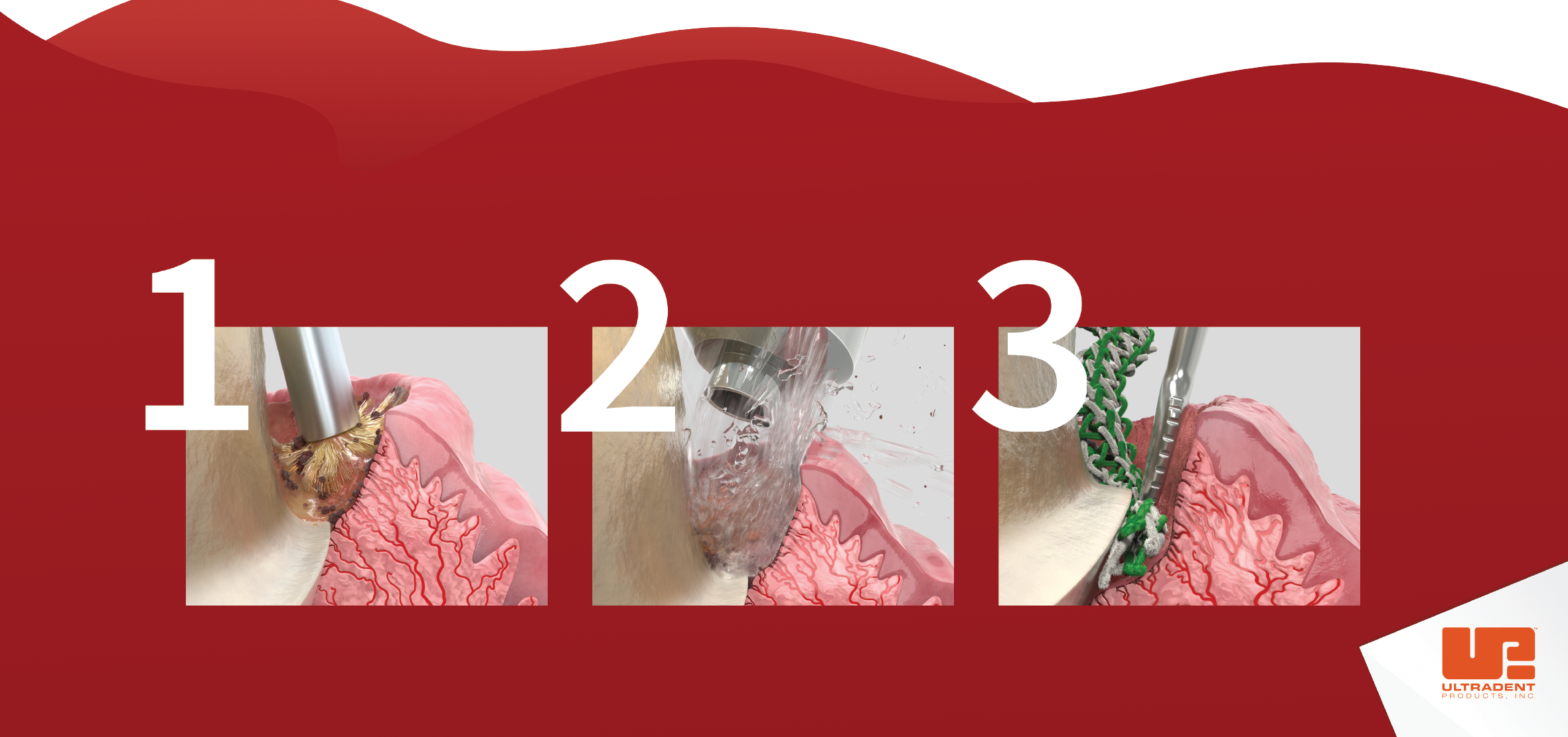
Unparalleled tissue management starts with rapid, profound hemostasis. For many years, dentists have trusted the immediate hemostatic power, detailed margins, and elimination of surface bleeding and sulcular fluid provided by our tissue management products.
Read More ...Read More.png)
by Dr. Joshua Austin, originally published in Dental Economics. The operative dentistry faculty at my alma mater, the University of Texas Health Science Center at San Antonio, were huge advocates of rebonding when placing resin composites. That term-"rebonding"-may not even be familiar to many readers. Rebonding is a simple process that involves flowing a very thin layer of unfilled resin onto composite. The literature supports rebonding; however, almost no one does it clinically on a regular basis. I am not 100% sure why, either. It's a quick and simple process, and it can really improve the quality of the composite resins we place.
Read More ...Read More
You don’t take your vehicle to the baker for maintenance, much like you wouldn’t ask the mechanic for a fresh loaf of Rye. When I buy steak seasoning, seeing Guy Fieri’s smile on the label reassures that I’m grilling up a trip to flavor town. Ultradent was founded on clinical knowledge—Dr. Dan Fischer created our first products to solve problems he was encountering in his practice. We’ve kept that mentality and utilize our own team of in-house clinicians at every stage of our product development. As a result, we don’t just create products. We create comprehensive solutions.
Read More ...Read More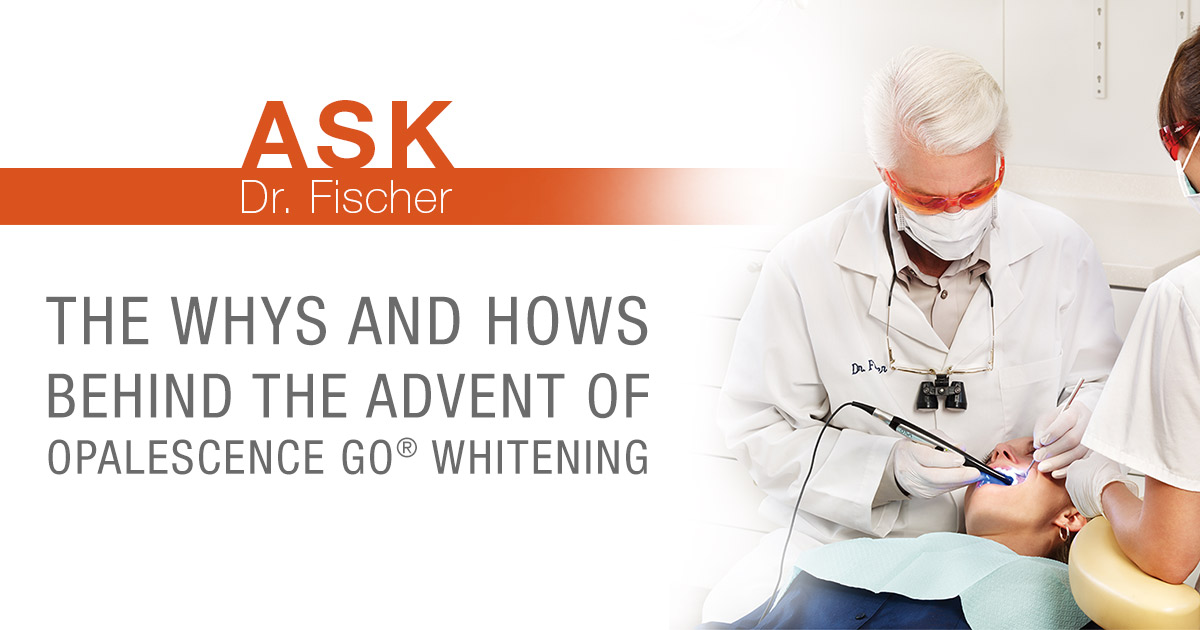
After having become the leader in tooth whitening with Opalescence® PF and the custom tray system, what was the “why” behind creating Opalescence Go®? Opalescence Go and Ultradent’s UltraFit Tray. Well, we were continually looking at the whitening marketplace and listening to the needs and feedback from our customers. When the over-the-counter whitening strip products came onto the market, which was very well received, we saw that there was a great need for disposability—that the customer placed great value on not having to get custom trays made, not having to load the tray, and not having to clean their trays afterward. That was a very big deal. However, with the strips, we also saw that they only whitened the front teeth and were difficult for people to get them to stay in place or wear for even a short amount of time comfortably. That’s when we set out to create a disposable, prefilled whitening tray that would offer whitening coverage to all of the teeth on the upper and lower arches with increased comfort and adaptability for the patient.
Read More ...Read More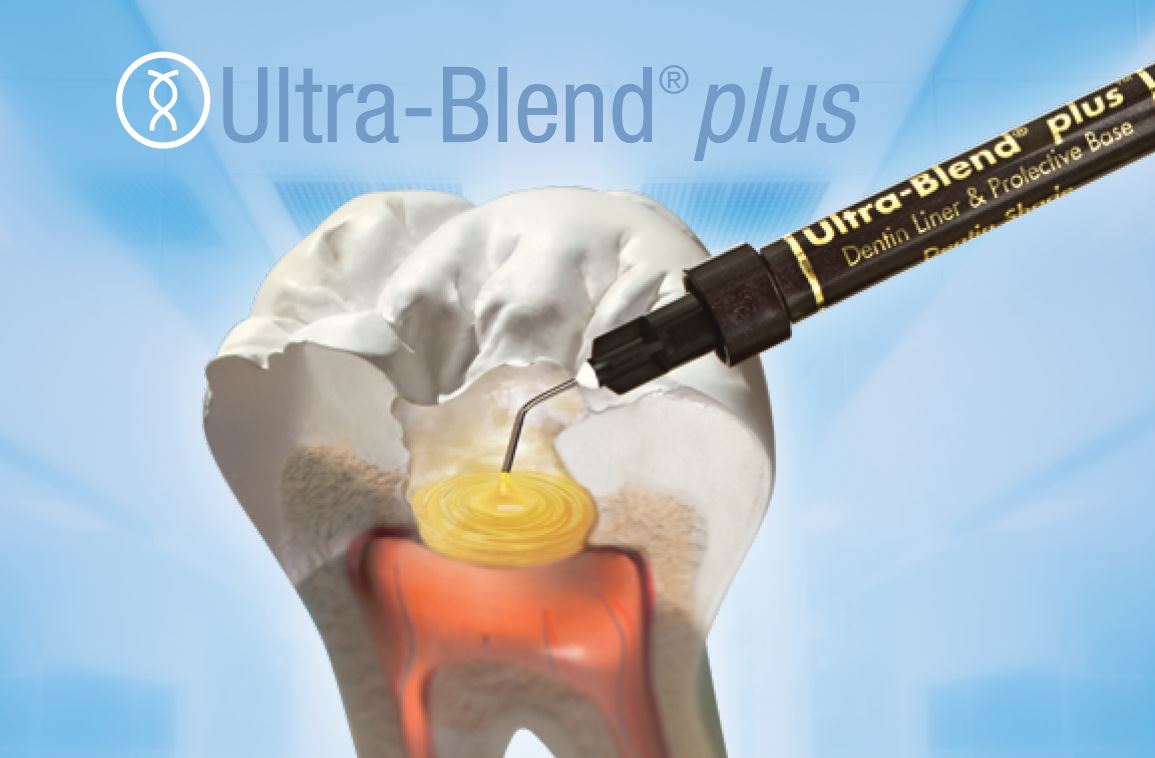
Ultra-Blend plus liner is a unique dentin-adhering liner and base material containing calcium hydroxide and calcium hydroxyapatite in a urethane dimethacrylate (UDMA) base. It’s perfect for pulp capping and will not dissolve over time. Made of a light-activated, radiopaque material, Ultra-Blend plus liner is highly filled for minimal shrinkage.
Read More ...Read More
Sign Up to Receive Blog Updates
Sign Up to Receive Blog Updates

PO Box 196
Thirroul, NSW 2515 Australia


© Ultradent Products, Inc. All rights reserved.

 USA
USA Brazil
 China
China Croatia
 Europe
 France
 Germany
 Italy
Italy Japan
Japan Latin America
 Netherlands
 Spain
Spain Turkey